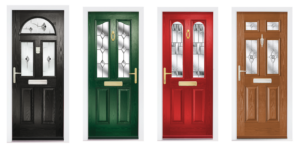
An Easy-To-Follow Guide To Composite Doors
Understanding Composite Doors: The Modern Solution for Your Home
Composite doors are acquiring traction in the home improvement market, thanks to their blend of aesthetic appeals, toughness, and energy effectiveness. This article explores the features, advantages, and factors to consider associated with composite doors, making it a detailed resource for homeowners seeking to upgrade their entrance.
What Are Composite Doors?
Composite doors are engineered doors made from a combination of materials. These generally include:
- PVC (Polyvinyl Chloride): Provides a strong base and adds to the door's insulating properties.
- Composite products: Usually include wood, glass-reinforced plastic (GRP), and other materials, offering a sturdy structure that mimics the look of wood without the maintenance issues.
- Insulation core: Typically made from foam or other insulating products that enhance the energy effectiveness of the door.
Why Choose Composite Doors?
Composite doors stick out among conventional wooden or metal doors for a number of compelling reasons. Here are several crucial benefits:
Durability:Composite doors are built to hold up against extreme weather, including heavy rain, snow, and strong winds. Unlike wood doors, they do not warp, swell, or crack over time.
Security:These doors are typically built with multi-point locking systems, making them far more difficult to get into compared to basic doors. The robust products utilized in their building include an extra layer of security.
Energy Efficiency:With their insulated core, composite doors master maintaining heat within your home. This energy effectiveness can result in lower heating bills, making them an economically sound choice in the long run.
Low Maintenance:Unlike traditional wood doors that require routine painting or staining, composite doors are simple to clean and typically require extremely little maintenance. Simply wipe down the surface with a damp cloth to keep them looking brand-new.
Visual Appeal:Composite doors can be found in a selection of designs, colors, and finishes. They can be made to reproduce the appearance of conventional timber doors while remaining structurally exceptional, using flexibility in style to fit any home.
Environmental Friendliness:Many makers use recycled materials in the building and construction of composite doors. This makes them a more sustainable alternative compared to standard wooden doors, which contribute to logging.
Aspects to Consider When Choosing Composite Doors
Before purchasing composite doors, it's necessary to think about a number of aspects that influence their effectiveness, look, and expense:
Quality and Certification:Look for doors that have been accredited by recognized organizations for quality and safety standards. This makes sure that you're purchasing a product that satisfies market standards for toughness and security.
Design and style:Consider the architectural style of your home before choosing a design. Composite doors are available in numerous designs, including modern, traditional, and even custom alternatives customized to your requirements.
Energy Ratings:Like devices, doors also feature energy rankings. Inspect for the energy effectiveness rating label to guarantee you are making a smart investment that contributes to decrease energy expenses.
Installation:Proper setup is vital to the performance of your composite door. It is highly recommended to utilize professional installers to ensure that the door fits perfectly and operates smoothly.
Warranty:Most composite door producers provide service warranties, ensuring that your investment is protected. Make certain to read the great print and comprehend what is covered under the guarantee.
Cost:Composite doors generally range from mid to high rate points. While they may be more pricey than traditional wood doors, the long-lasting savings in maintenance and energy efficiency can offset this initial expense.
Frequently Asked Questions (FAQs)
1. How long do composite doors last?Composite doors
are designed to last for several years, typically with a lifespan of 30 years or more when properly maintained. 2. Are composite doors appropriate
for seaside areas?Yes, composite doors are highly resistant to weather and rust, making them an excellent choice for seaside locations. 3. Can composite doors improve home security?Absolutely. Composite doors are tough and equipped with secure locking systems, significantly improving the security of your home
. 4. Do composite doors need painting?No, among the significant benefits of composite doors is their low maintenance requirements.
They typically only need to be cleaned down to remain clean. 5.
Exist color alternatives for composite doors?Yes, composite doors come in various colors and finishes, enabling house owners to choose a design that matches their home's exterior. Conclusion: A Smart Investment
for Modern Homes Composite doors represent a modern-day option for property owners who focus on security, durability, and energy effectiveness while likewise seeking aesthetic appeal. Their combination of sophisticated engineering and design flexibility makes them an appealing alternative for any home. By considering cost-effective door repairs outlined in this short article and weighing the associated benefits, potential purchasers can make informed decisions that add to enhanced home value and comfort. With their longevity and low maintenance, composite doors are not simply a purchase; they are a financial investment in the future.